
At 6 p.m., I slipped my phone into my pocket, boarded the tube, and launched a 30‑minute match of Free Fire. Within five minutes the screen was filled with 50 strangers, a shrinking safe zone, and a frantic scramble for a loot box. The match ended in a decisive headshot—my first win of the night. That rush, I realized, is why more Brits are swapping console controllers for thumbsticks during their daily grind.
Why Mobile Battle Royale Took Off in the UK
Three factors converged in 2022: 5G rollout, a 22‑percent rise in smartphone ownership among 16‑ to 34‑year‑olds, and the success of “lite” versions of heavyweight titles. PubG Mobile reported 2.3 million UK downloads in its first quarter, a 37 % jump from the previous year. The low entry barrier—no console, no high‑end PC—means a teenager in a council flat can compete with a university student on a flagship device.
Data from the UK Interactive Entertainment (Ukie) association shows that mobile gaming now accounts for 45 % of total game revenue, up from 31 % in 2019. Battle Royale games dominate that slice, capturing roughly 60 % of mobile playtime during peak evenings (7–10 p.m.).
Top Titles Shaping the Scene
- Free Fire – 100 MB download, 12‑minute average match length, optimized for low‑end phones.
- Call of Duty: Mobile – 2 GB install, integrates classic maps, offers seasonal battle passes.
- PubG Mobile – 1.8 GB, features a “lite” mode that trims graphics to 500 MB.
- Knives Out – 800 MB, focuses on fast respawns and a 10‑player squad format.
Each game provides a distinct flavor: Free Fire leans into arcade chaos, while Call of Duty: Mobile mirrors its console counterpart’s gun mechanics. The variety keeps the UK audience engaged across different skill levels.
Monetisation Meets Player Expectations
Unlike the loot‑box controversies of PC titles, mobile battle royales rely on cosmetic micro‑transactions. A typical skin costs £1.99 to £4.99, and a full battle pass runs £7.99 per season. Ukie’s 2023 report notes that 18 % of UK players spend on cosmetics weekly, yet 72 % of those who do not spend still log in at least three times a week. The model works because it’s optional; players can enjoy the core experience without paying.
However, the pay‑to‑win perception lingers. In Free Fire, certain weapons are locked behind premium crates, giving paying players a slight edge in early matches. This imbalance discourages some competitive players who prefer skill‑based progression.
Community, Streaming, and the Social Pull
British streamers on Twitch and YouTube have built followings of 50 k to 200 k by broadcasting mobile battle royale sessions. A notable trend is “mobile‑only” tournaments hosted by local esports groups, offering £5 000 prize pools for 100‑player brackets. These events attract university clubs and even high‑school teams, fostering a grassroots competitive scene.
Social features also matter. In‑game voice chat, integrated Discord servers, and the ability to form squads with friends across different devices create a sense of belonging that traditional console multiplayer sometimes lacks.
Bridging to Broader Online Entertainment
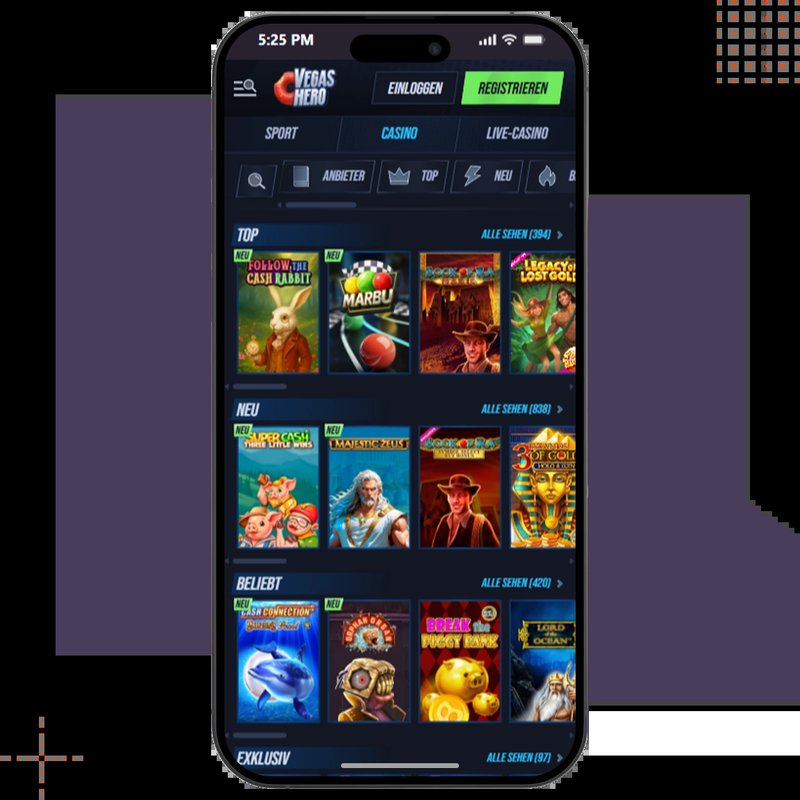
While the focus here is on mobile battle royale, the same audience often drifts toward other online pastimes. For those looking to unwind after a match, the Vegas hero offers a virtual lounge where gamers can chat, watch live streams, and even try their hand at casual casino games—all without leaving their mobile device.
Looking Ahead: What’s Next for UK Mobile Battlers?
Expect tighter integration with cloud gaming services. Google’s Stadia and Amazon’s Luna are testing low‑latency streaming of full‑resolution battle royale titles to smartphones, potentially erasing the graphics gap between mobile and console. Moreover, upcoming regulations on in‑app purchases could reshape how developers monetize skins and passes.
For now, the UK’s mobile battle royale market remains a fast‑growing niche, driven by accessibility, cultural appetite for competition, and a community that thrives on quick, adrenaline‑filled matches. If you’re still playing on a desktop, you might soon find yourself joining a squad on the subway, chasing that final circle before the bus arrives.